for
Interior Design Studios
Visuals that help your clients feel the design — and say yes to it.
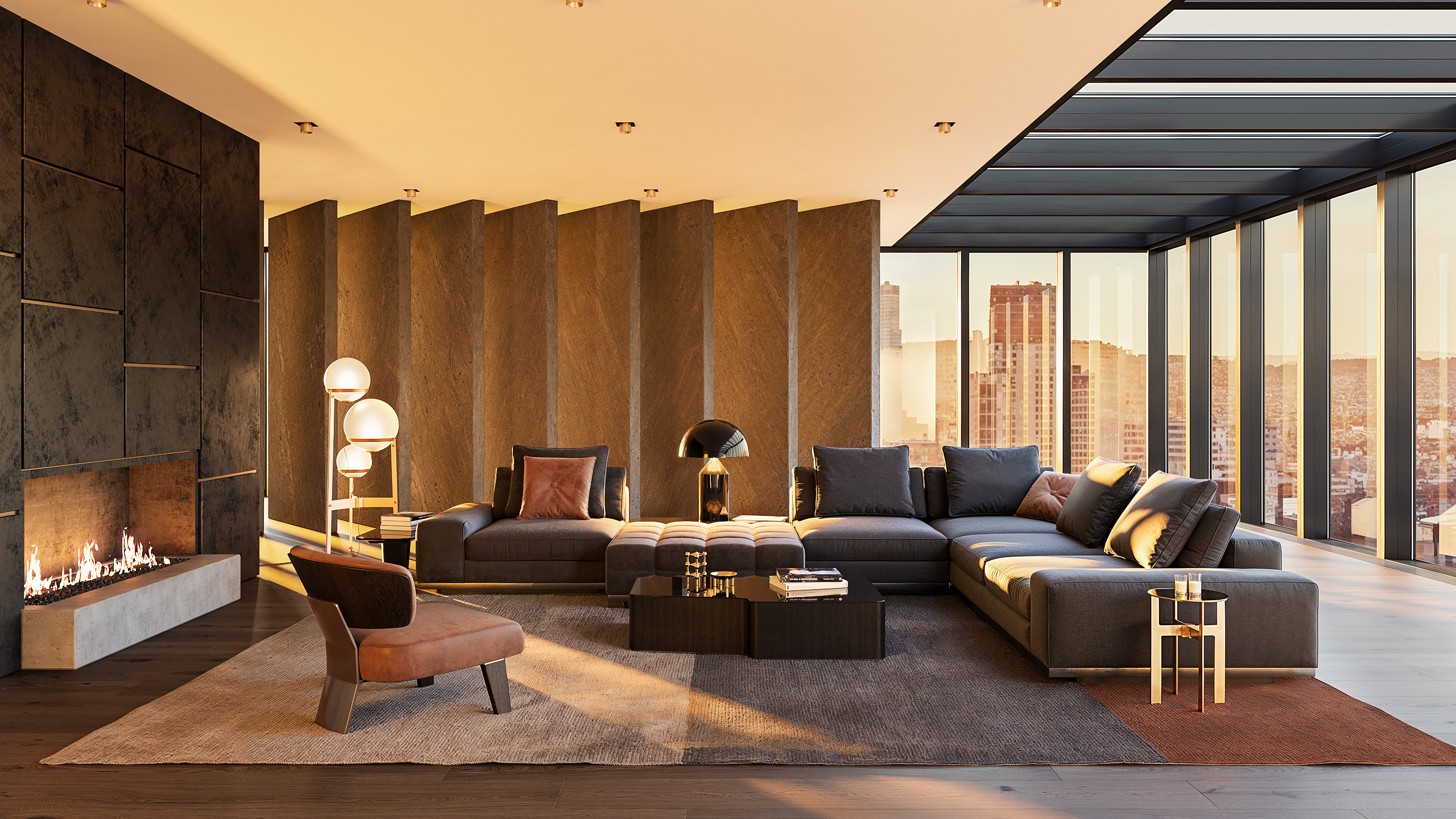
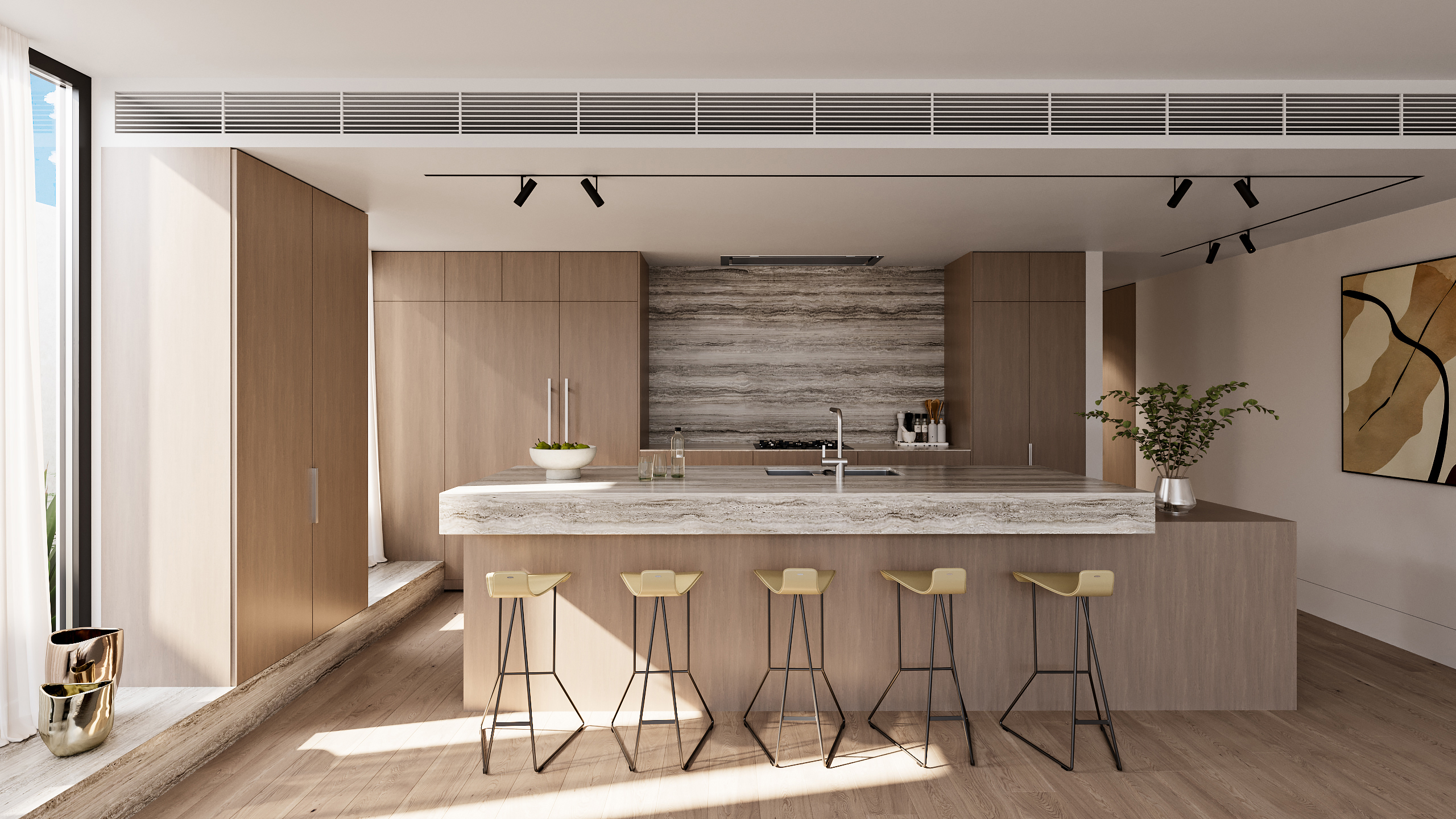
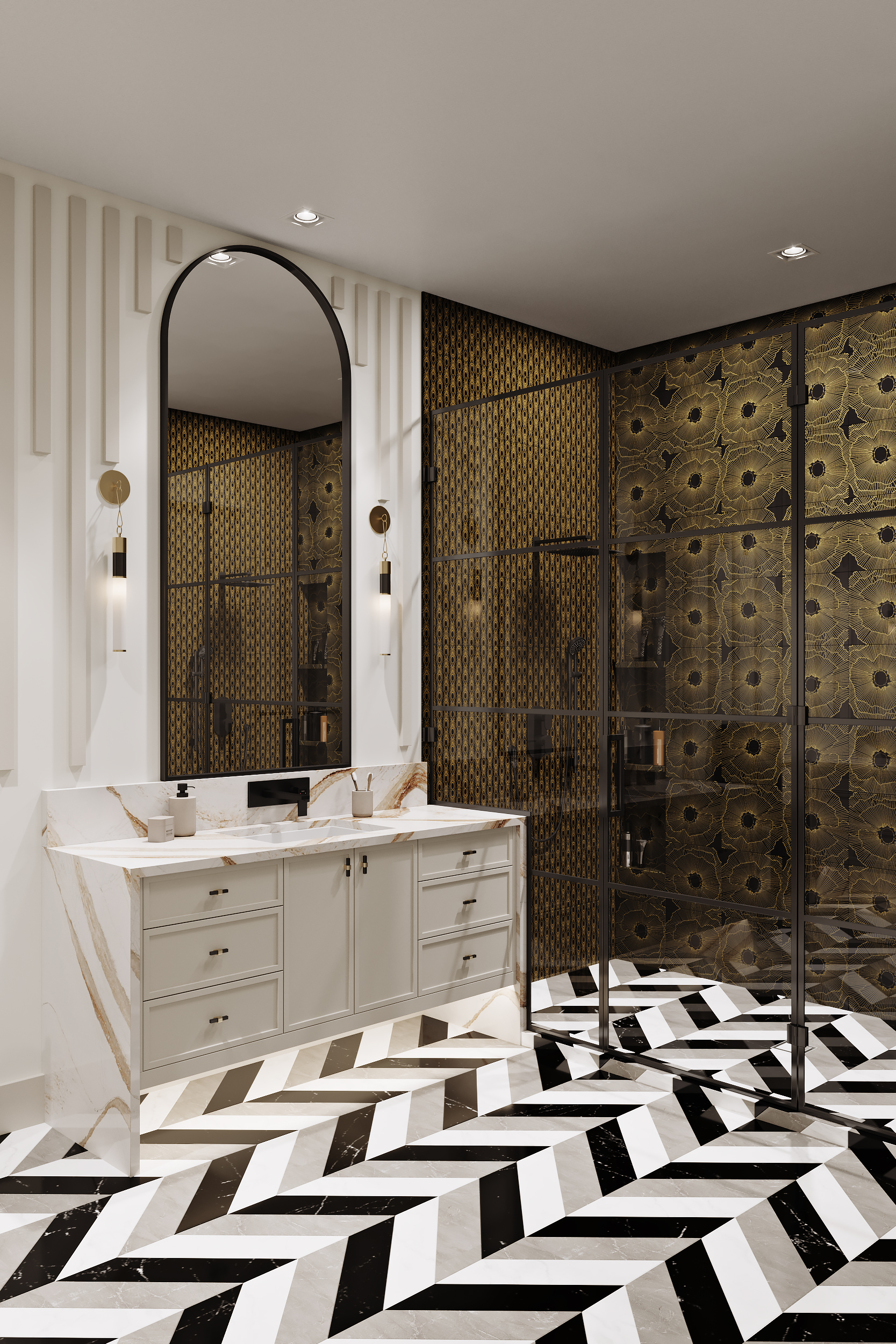
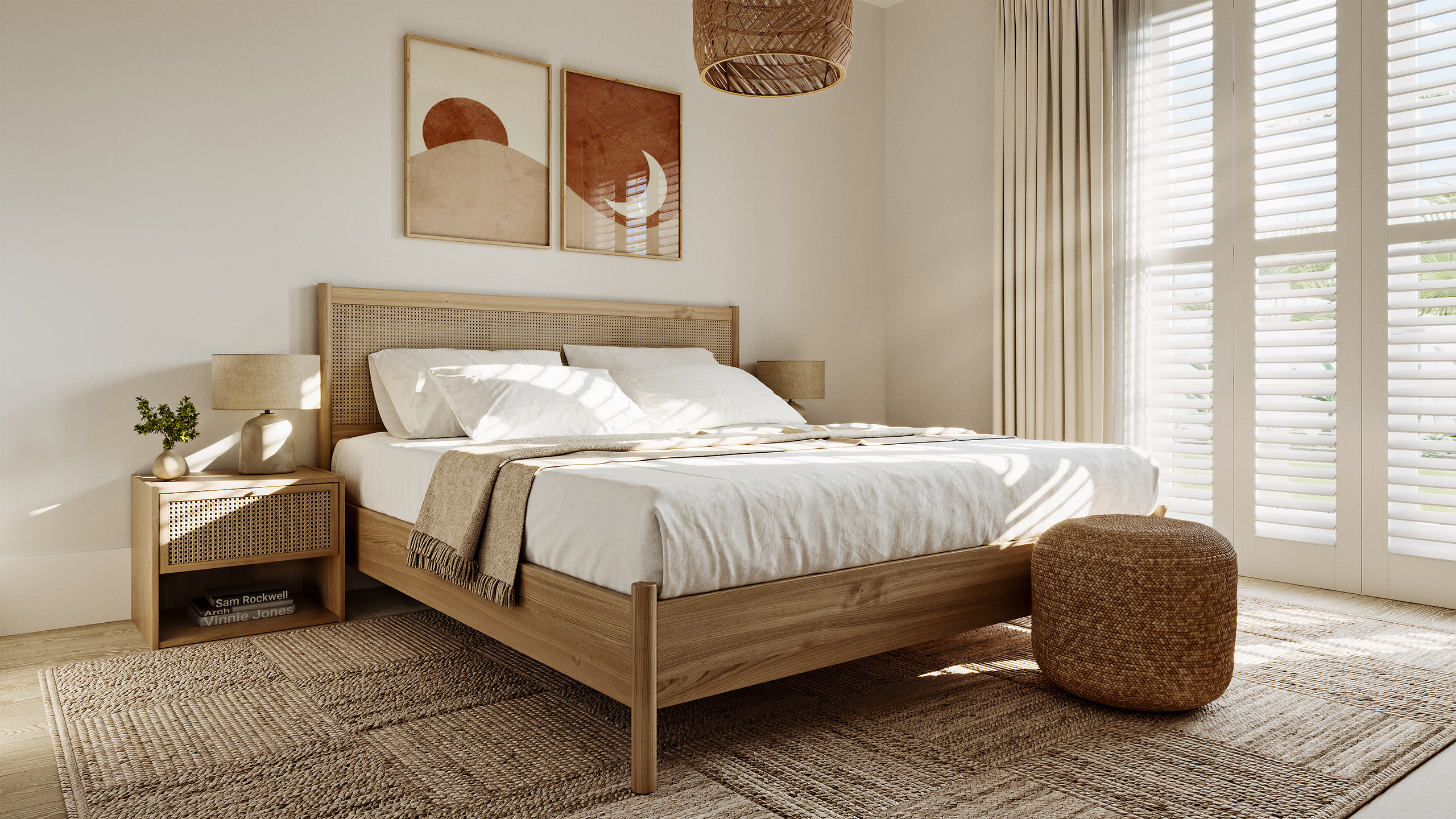
We work as a visual production partner for interior design studios — delivering photorealistic CGI that captures atmosphere, materials, and spatial quality with the clarity needed to make client presentations more convincing and decisions easier to reach.
Your clients need to see it to believe it.
Interior design is sold on feeling. A client who can genuinely picture themselves in the space — who can sense the light, read the materials, feel the atmosphere — is a client who moves forward with confidence.
The challenge is that most people struggle to read technical drawings, material boards, or early-stage concepts the way a trained designer can. The gap between what you see and what they see is where hesitation lives.
Strong visualization closes that gap. It turns your design intent into something your client can immediately understand, connect with, and trust.
Where we add value
- Client Presentations
- Photorealistic visuals that let your client see the finished space before a single piece of furniture is ordered. Fewer revision rounds. Clearer decisions. More confident approvals.
- Material & Finish Communication
- When the whole design rests on a specific stone, a fabric, a floor tone — the visualization has to make that material read exactly right. We build scenes where finishes are the focus, not an afterthought.
- Atmosphere & Mood
- Every interior has an intended feeling. We work to make that feeling visible — through light, composition, and the way the scene is built — so your client doesn’t just see the room, they feel what it’s like to be in it.
- Portfolio & Marketing Visuals
- Polished imagery for your studio’s own presentation — project pages, publications, awards submissions, and social content that shows your work at its best.
Atmosphere first. Photorealism always.
A good interior visualization isn’t a photograph of a room. It’s a carefully constructed argument for why the design works.
That means the light has to feel right for the space — not just technically correct, but emotionally convincing. It means materials need to read with the texture, depth, and quality that makes them worth specifying. It means the composition has to guide the viewer’s eye toward what matters most.
We approach every interior project with the question: what does this design need to communicate, and what does the visualization need to do to make that happen?
The answer shapes every decision — from camera angle and lighting setup to how we handle reflections, shadows, and the small details that make a space feel inhabited and real.