01
Project files received
Drawings, material specifications, product selections, and reference images are reviewed as the production base.


We work with interior design studios to produce photorealistic renders that make designs easier to sell — the right angles, the right atmosphere, accurate materials, and fast turnaround when client feedback comes in.
Interior clients rarely make decisions from plans, elevations, or finish boards alone. They move forward when they can clearly see the space, understand the material choices, and feel confident in what the final result will actually look like.
That is where many presentations start to break down.
The views are not always the ones that show the design at its strongest.
The atmosphere feels flat instead of intentional.
Materials lose the depth, texture, and character they were chosen for.
And when feedback comes in after a meeting, updated visuals take too long — which slows the decision down and weakens the client’s emotional response.
When that happens, the design is no longer being presented at its full value.
The goal is not simply to produce renders. The goal is to present the design in a way that feels convincing, looks accurate, and helps the client make decisions faster.
Camera selection is part of the presentation logic. The strongest views are the ones that reveal the focal points, explain the layout, and make the design immediately readable. We approach every project with that in mind — not just what fits in frame, but what makes the client respond.
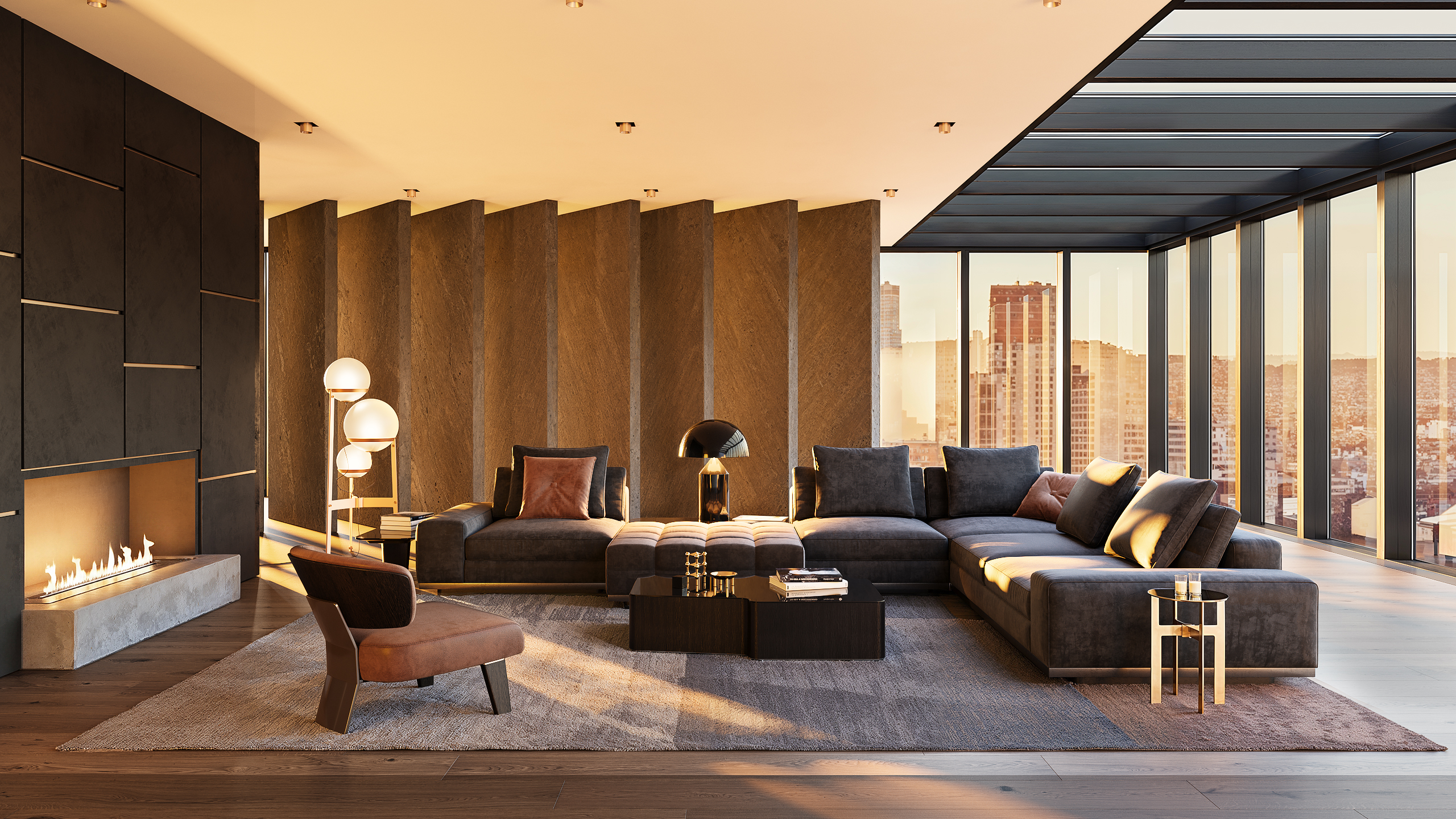
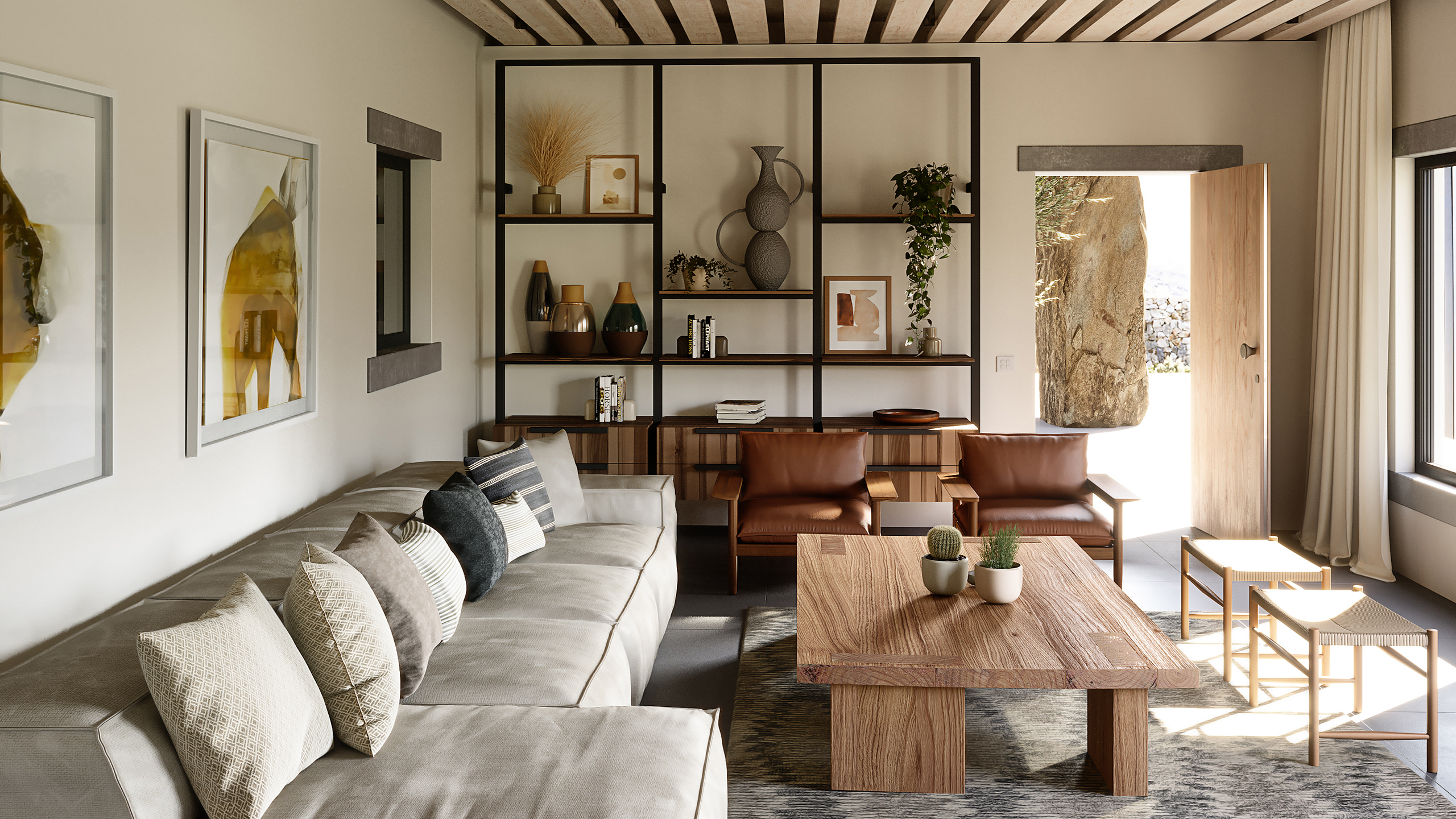
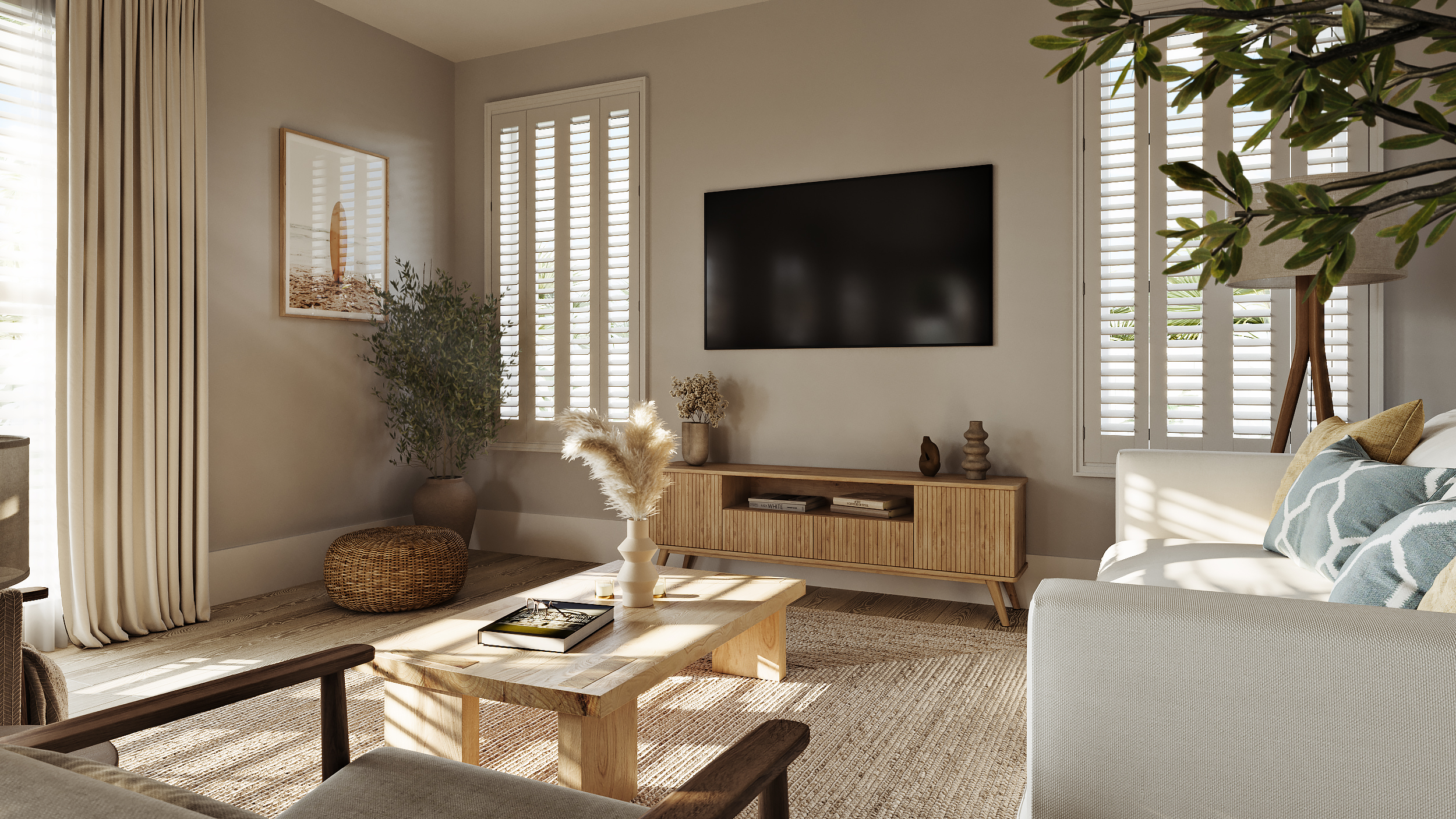
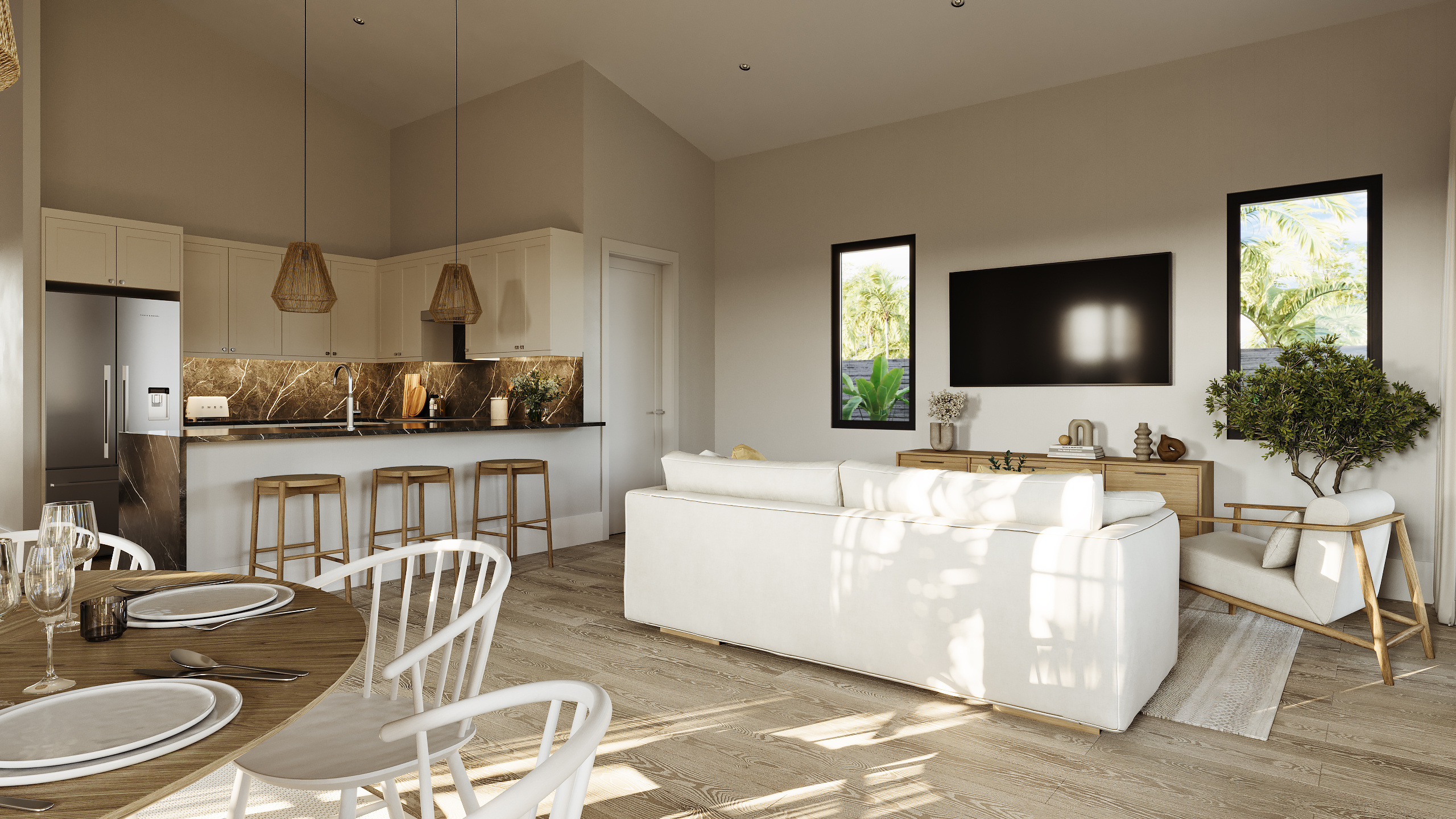
Clients respond to mood and feeling, not just geometry. Lighting, time of day, material warmth, shadow depth — these define whether a space feels calm, elevated, minimal, or premium. We treat atmosphere as a production priority, not an afterthought.
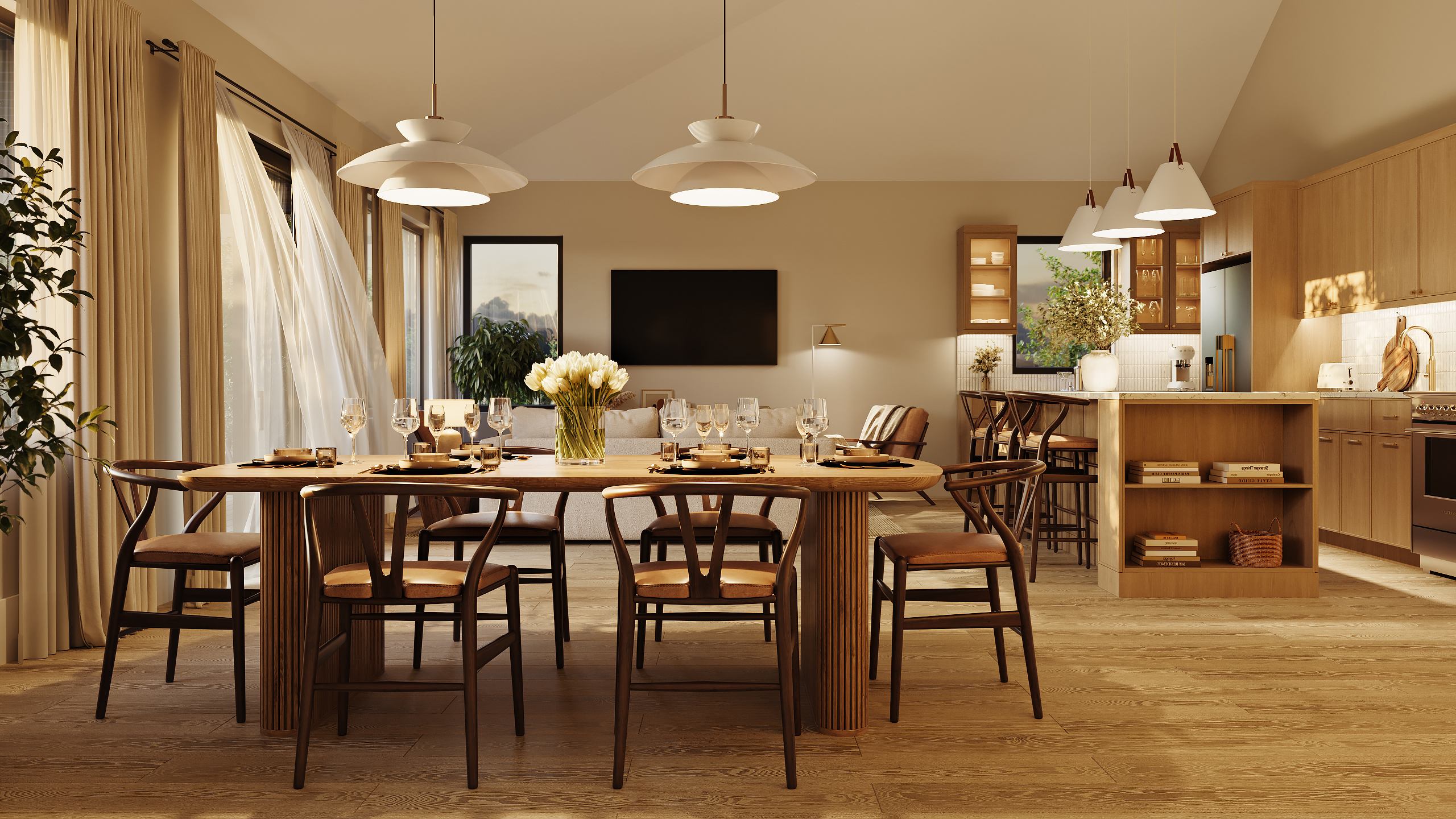
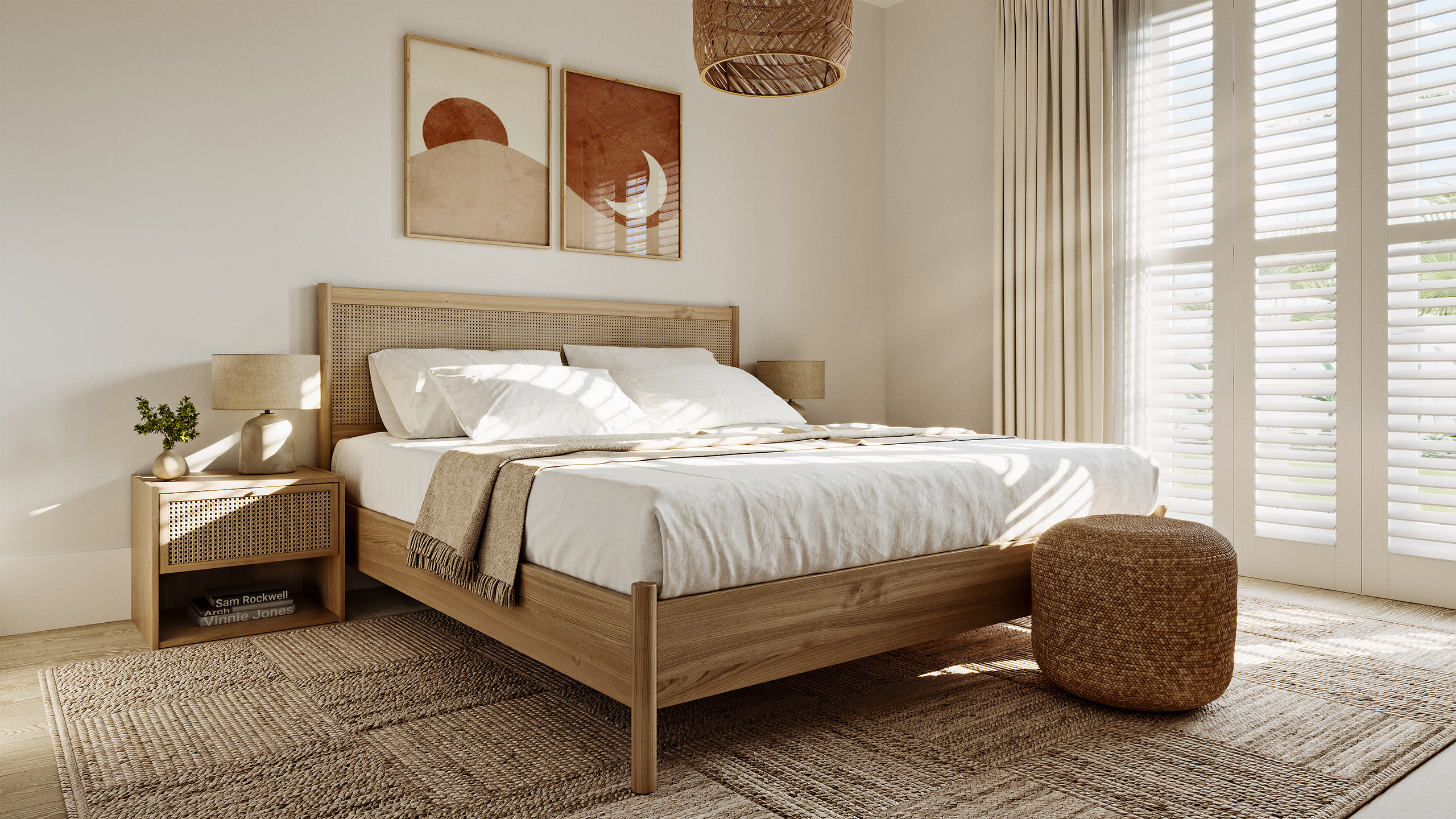
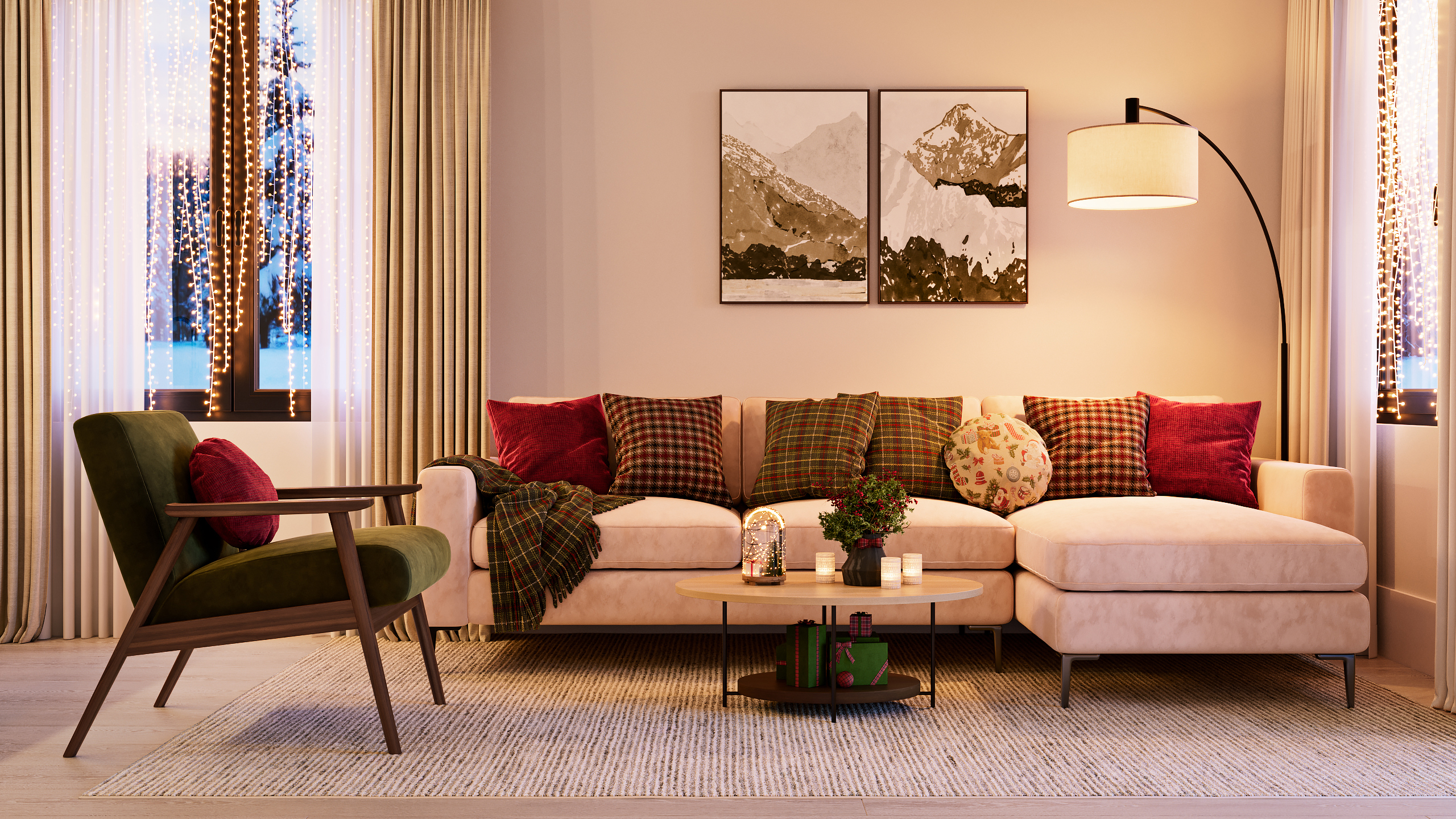
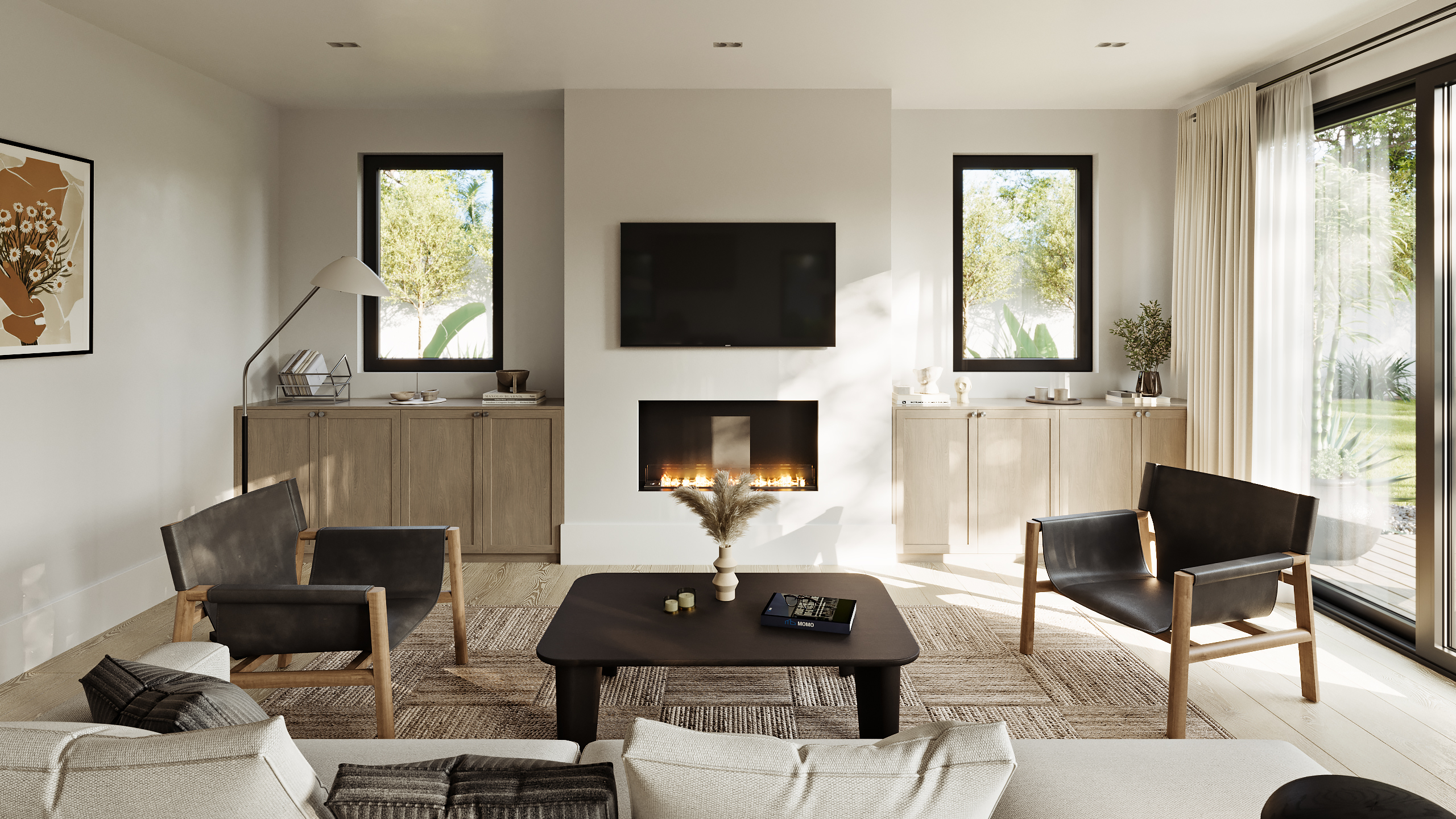
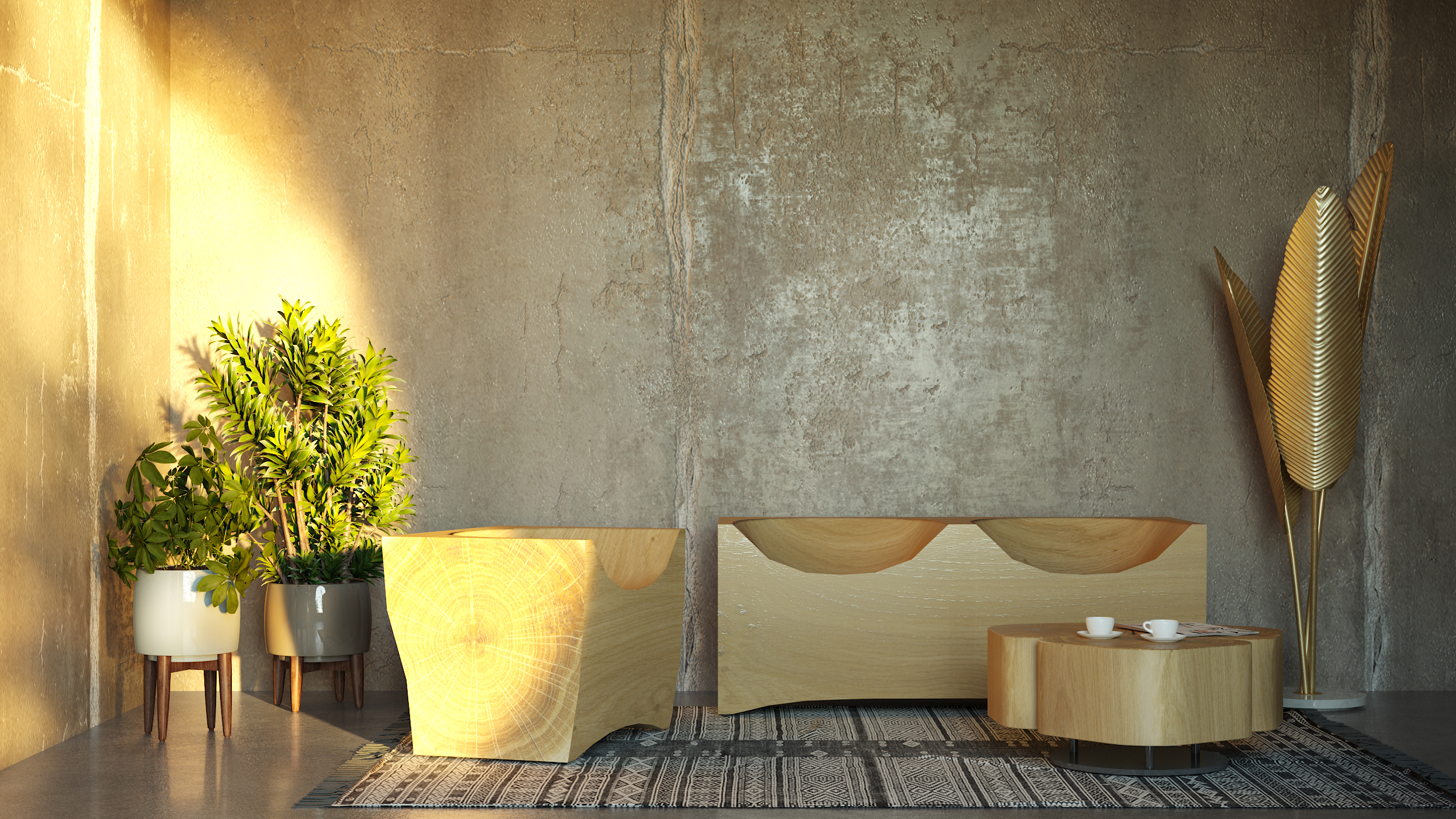
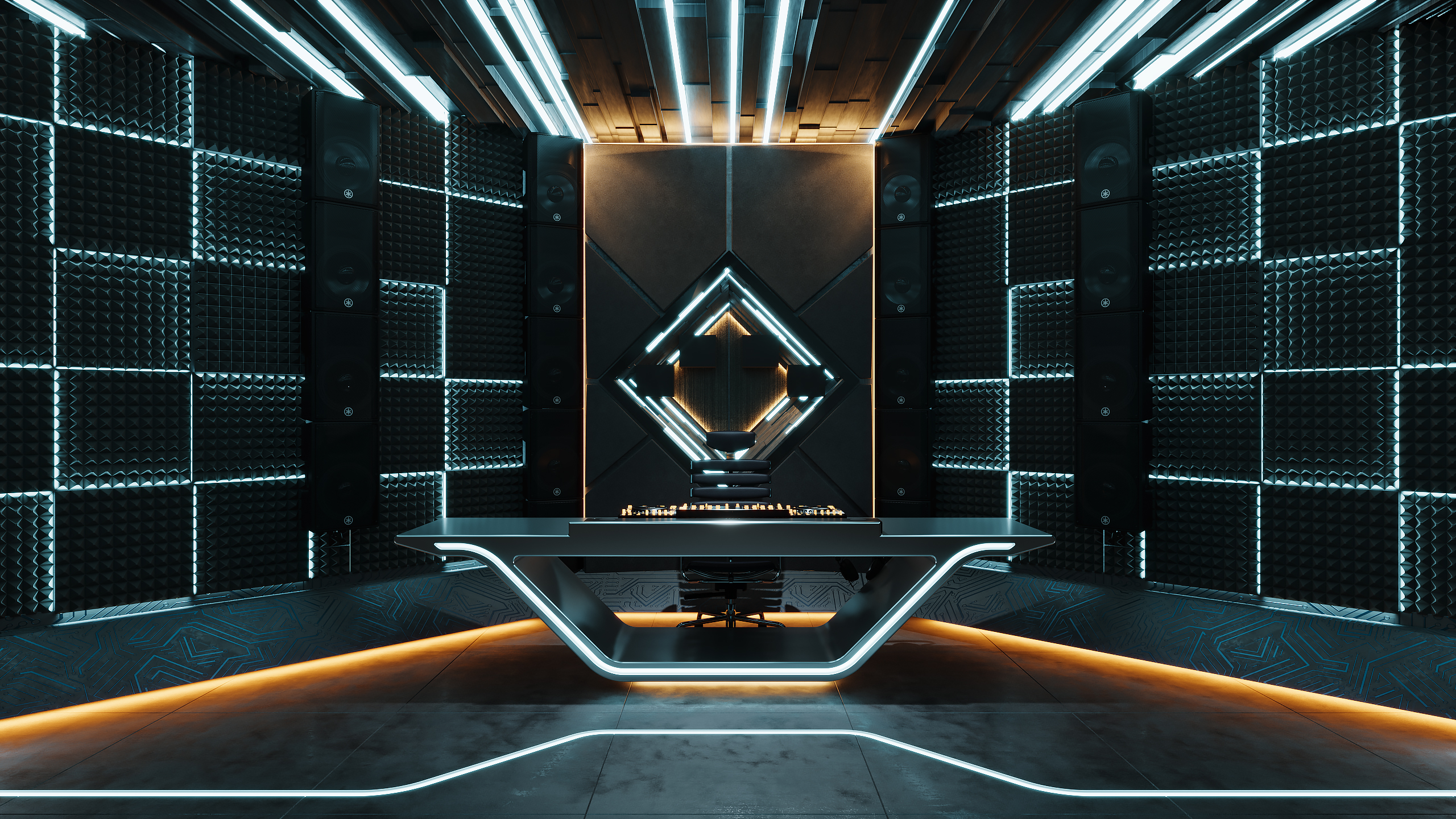
In interior projects, material selection is part of the value of the design. If the materials look generic, the design loses credibility. If they look right, the client can trust what is being specified.
That level of realism is a priority in every project, because material accuracy is often what turns appreciation into approval.
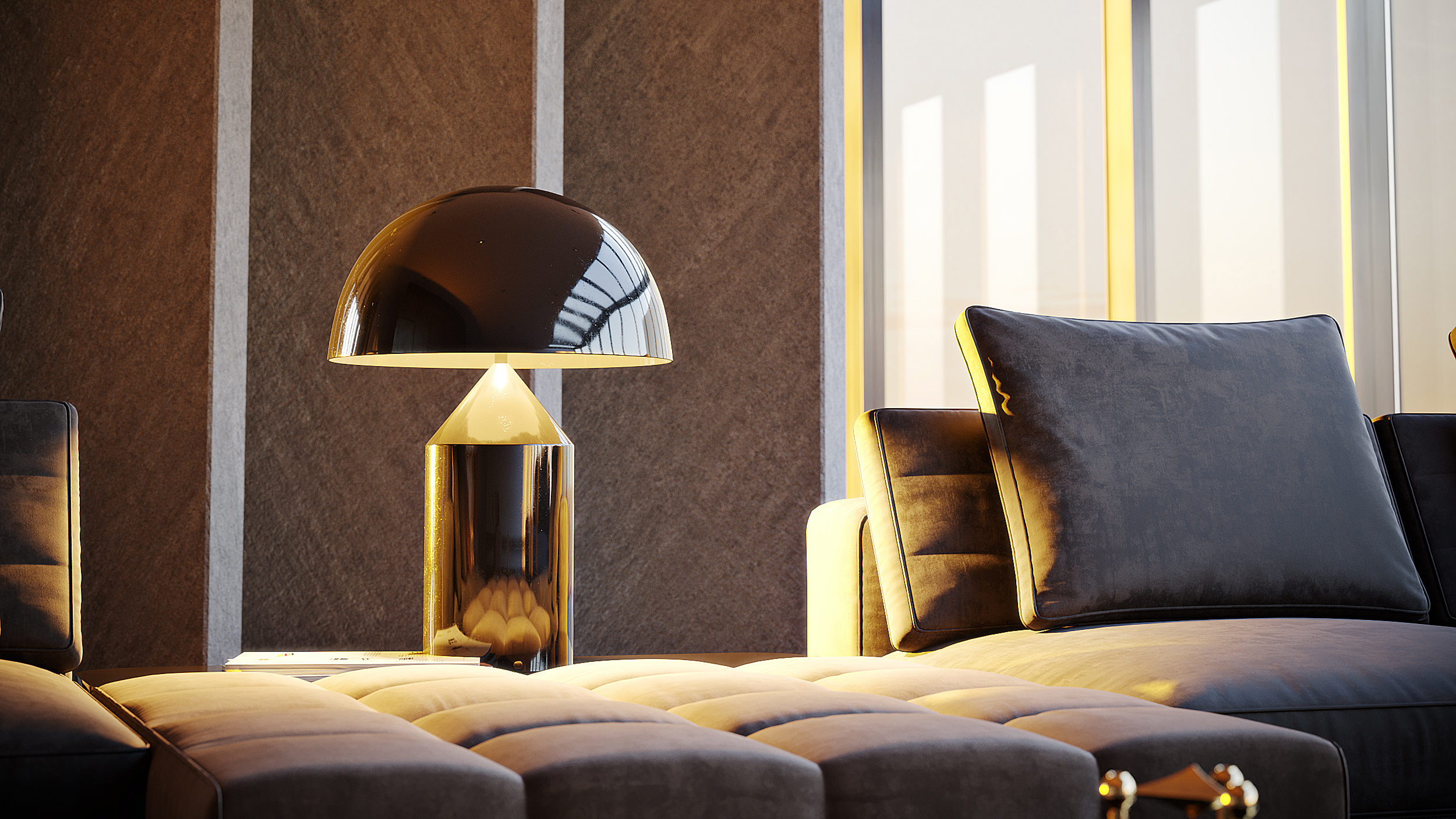
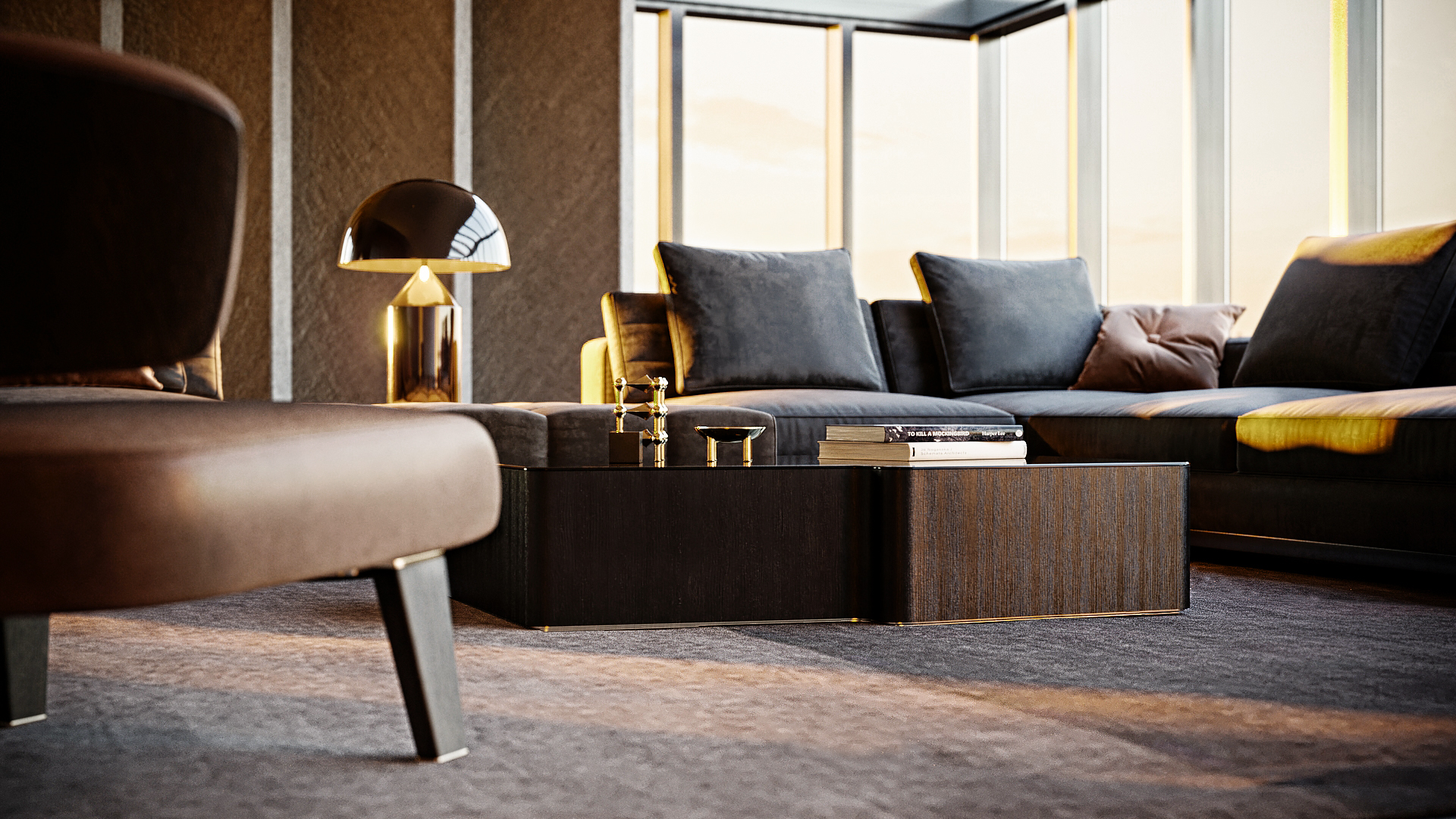
Kitchen and bathroom presentations depend on exact geometry — cabinet proportions, panel alignment, appliance integration, countertop details, tile layout, fitting placement. We’ve developed our own methodology for fast and accurate cabinetry modeling that keeps production efficient without sacrificing precision. When the geometry is right, the client can trust what they’re approving.
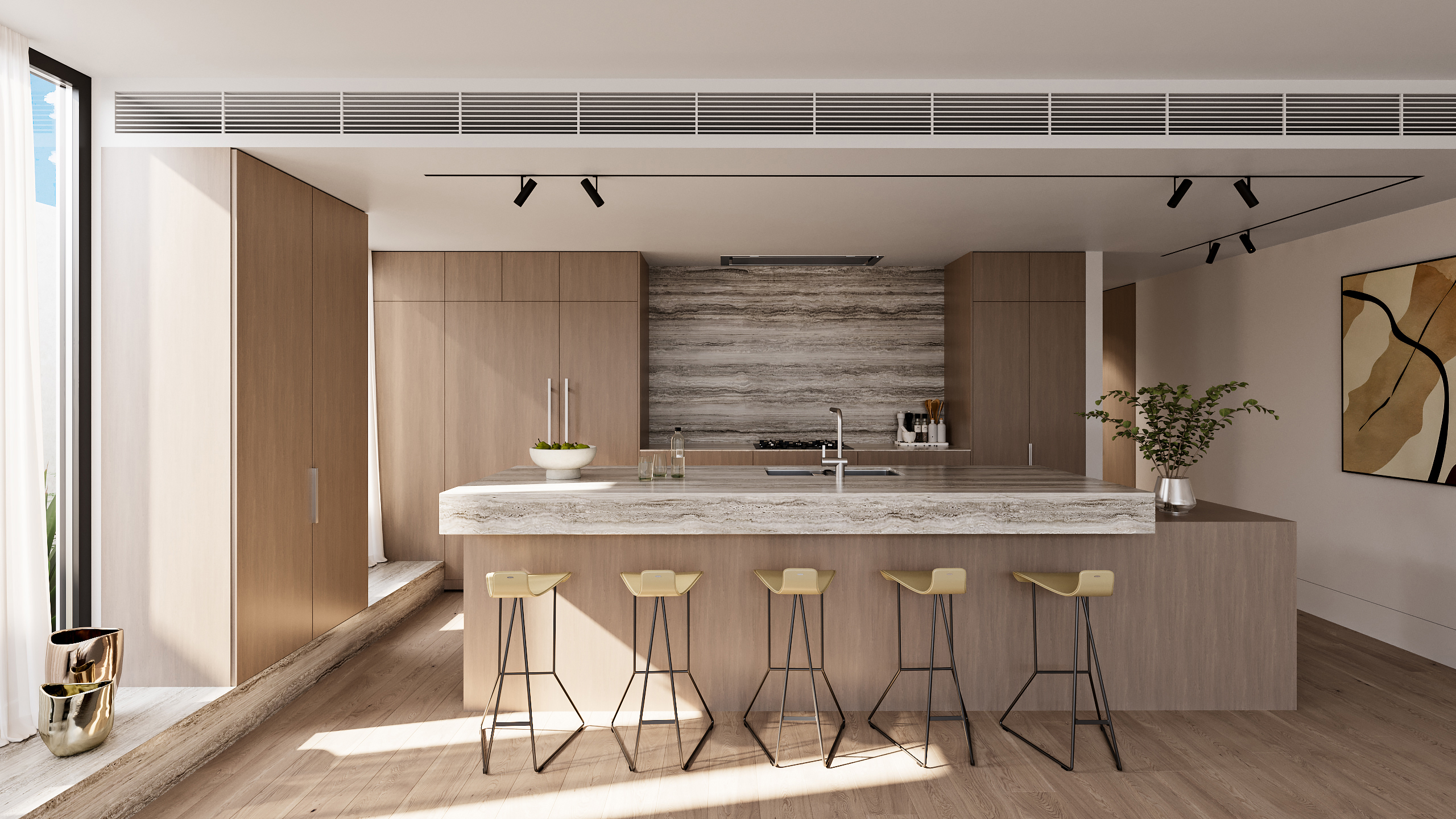
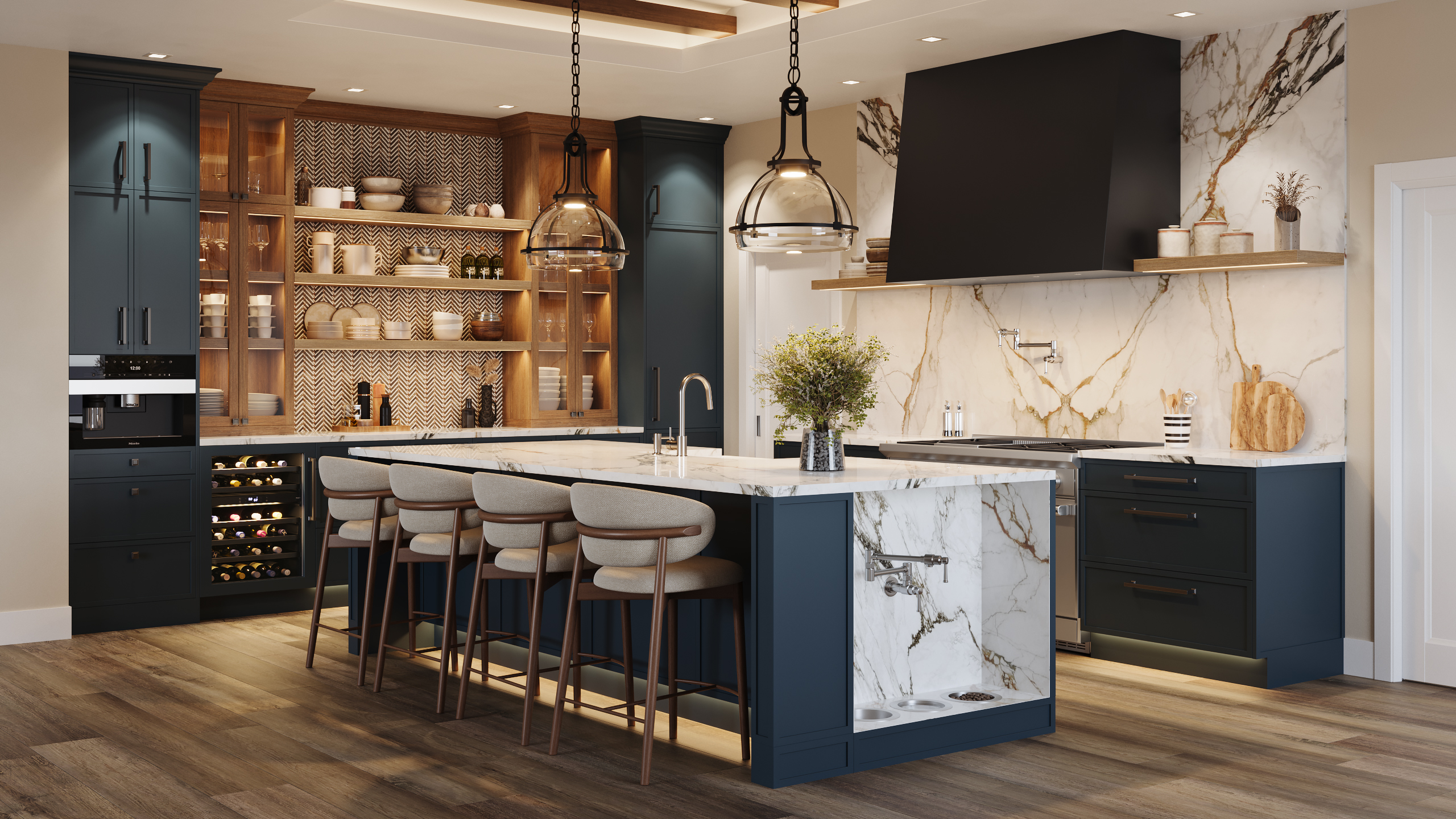
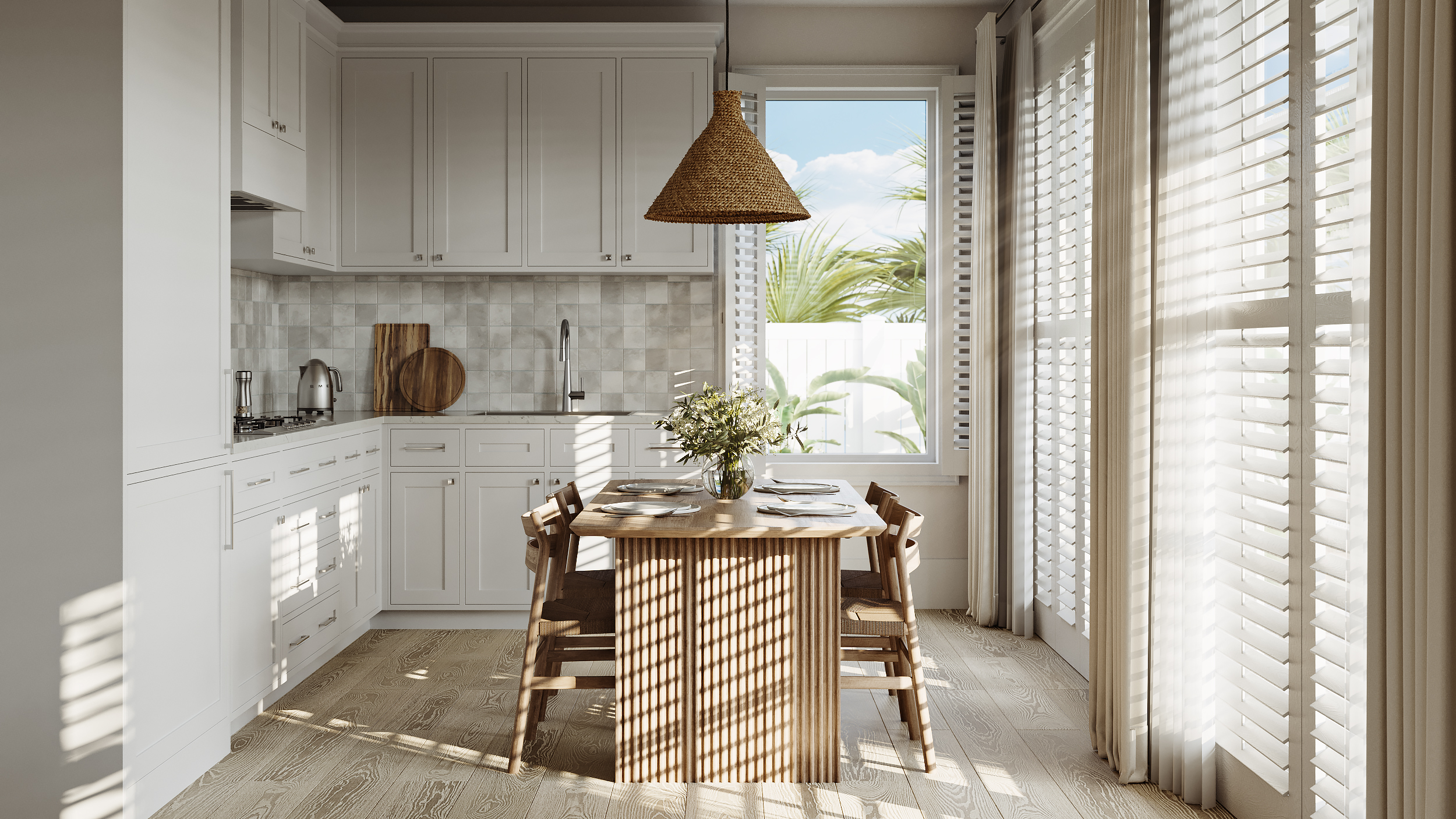
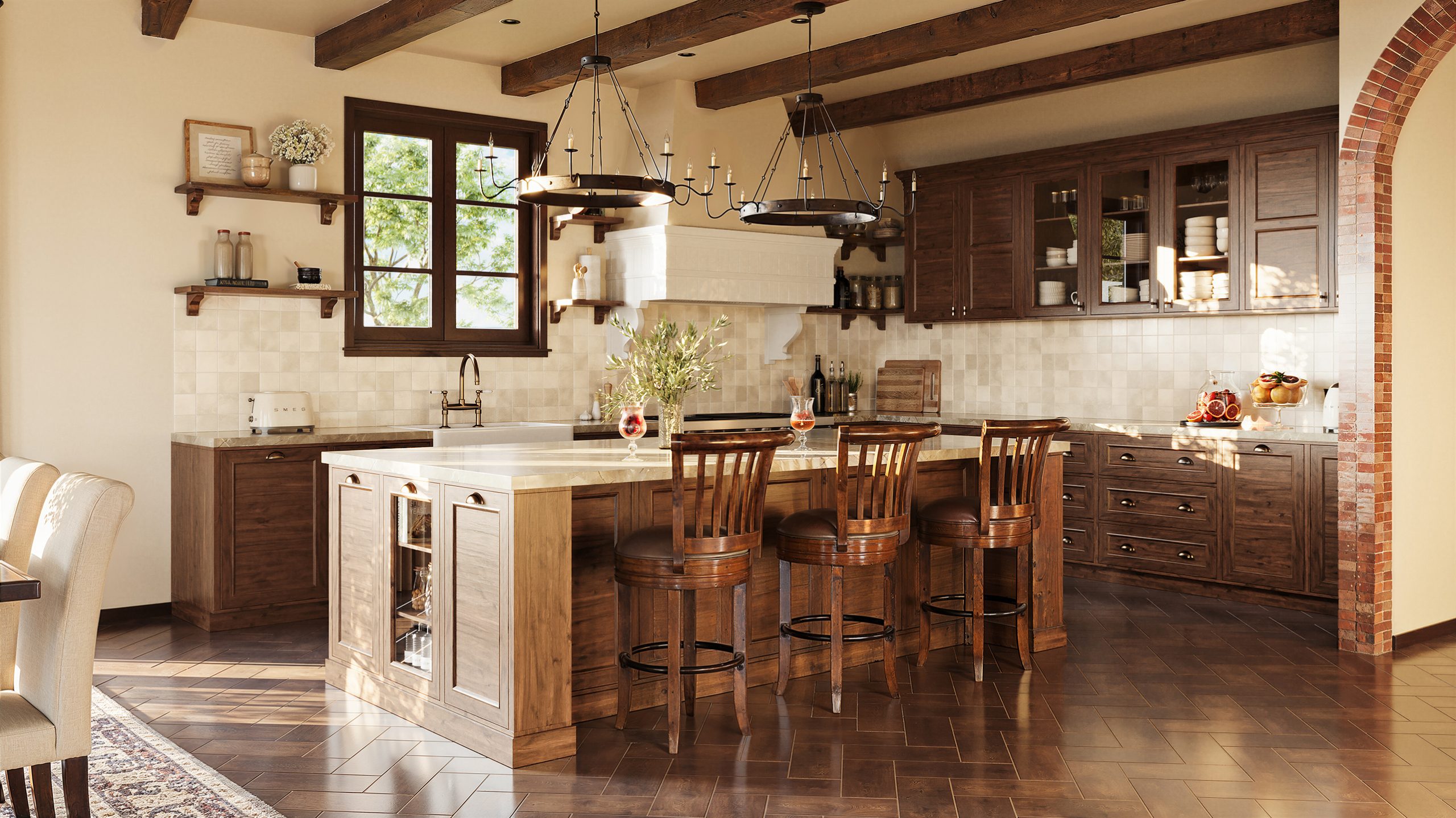
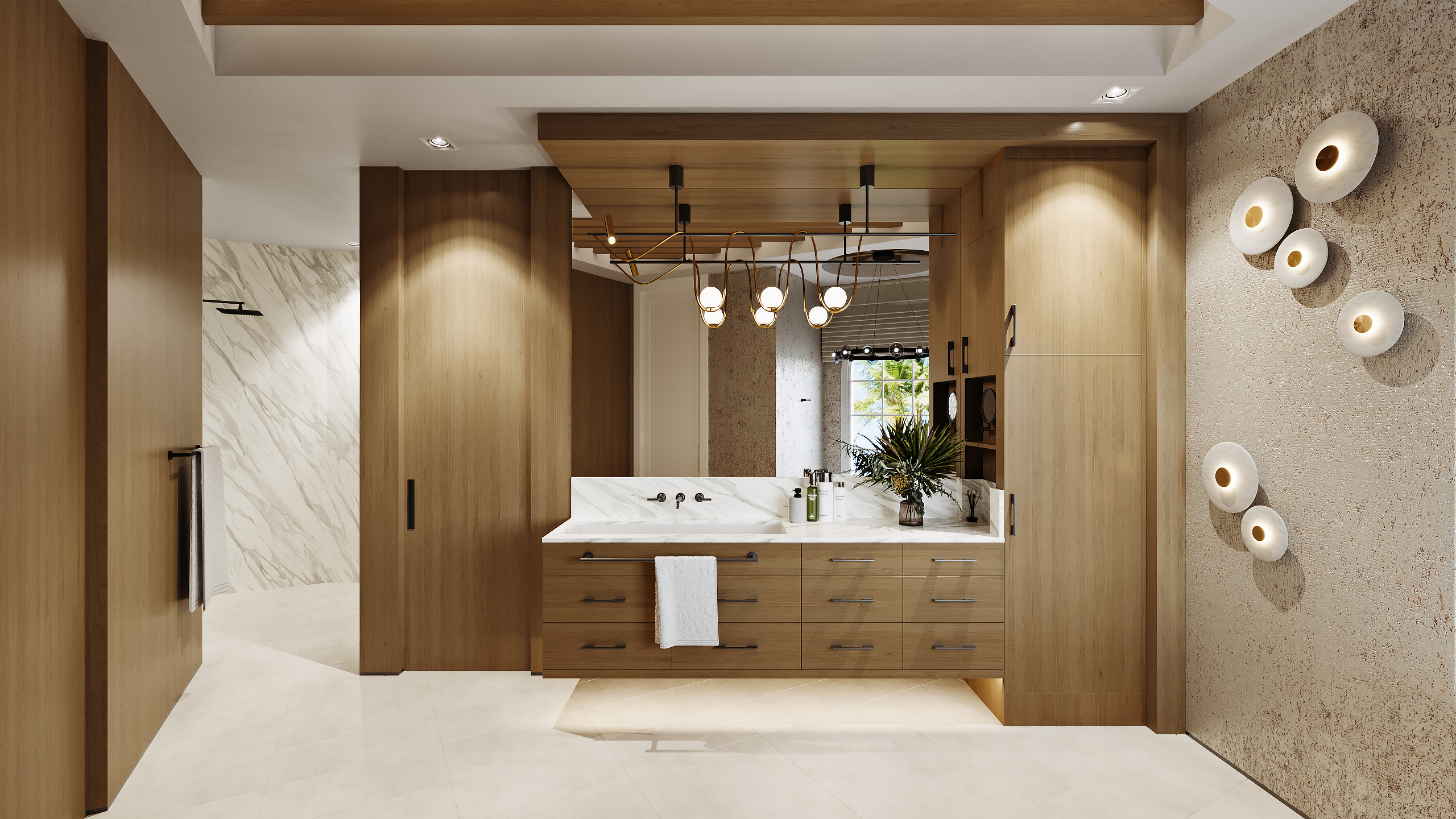
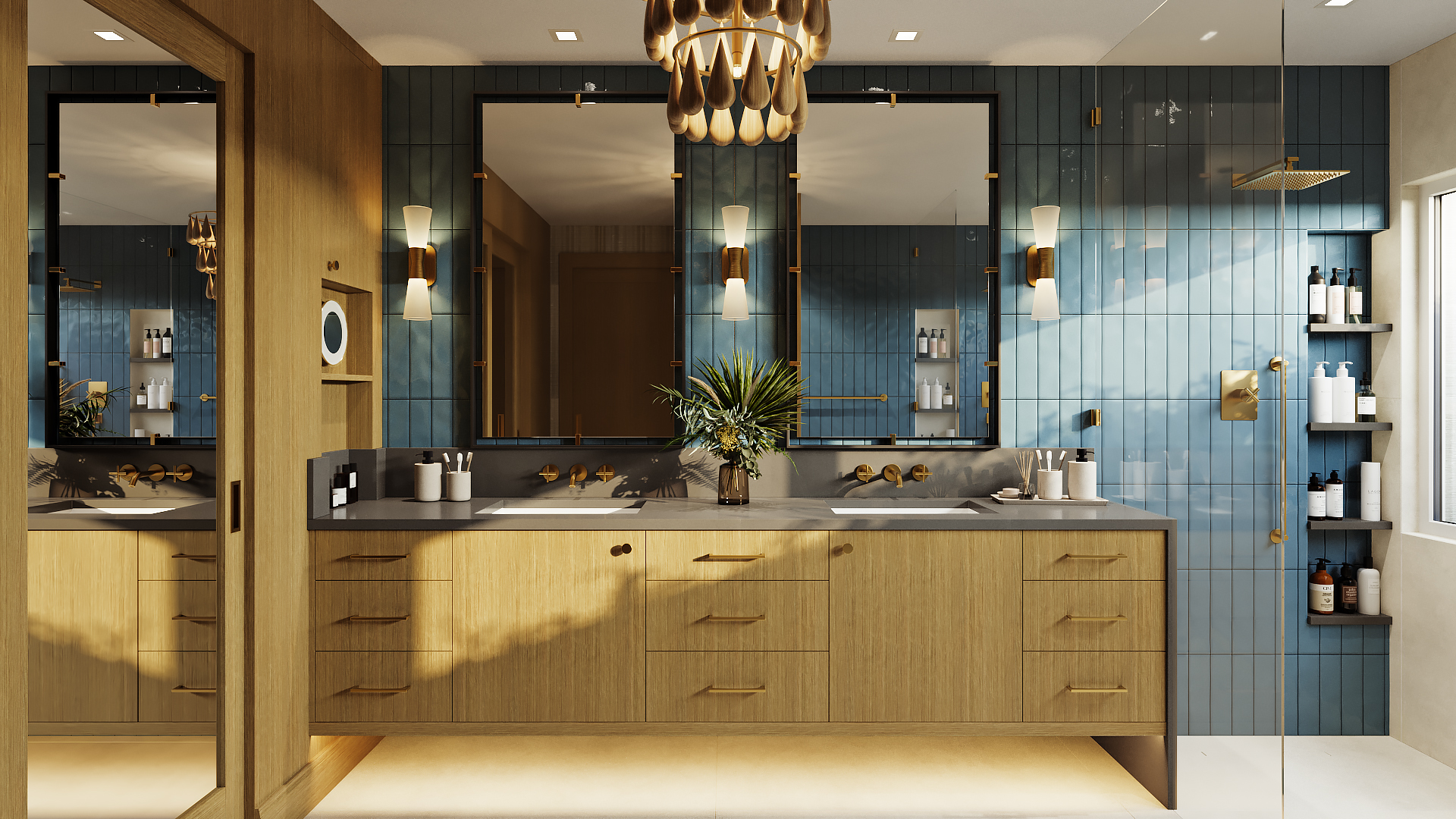
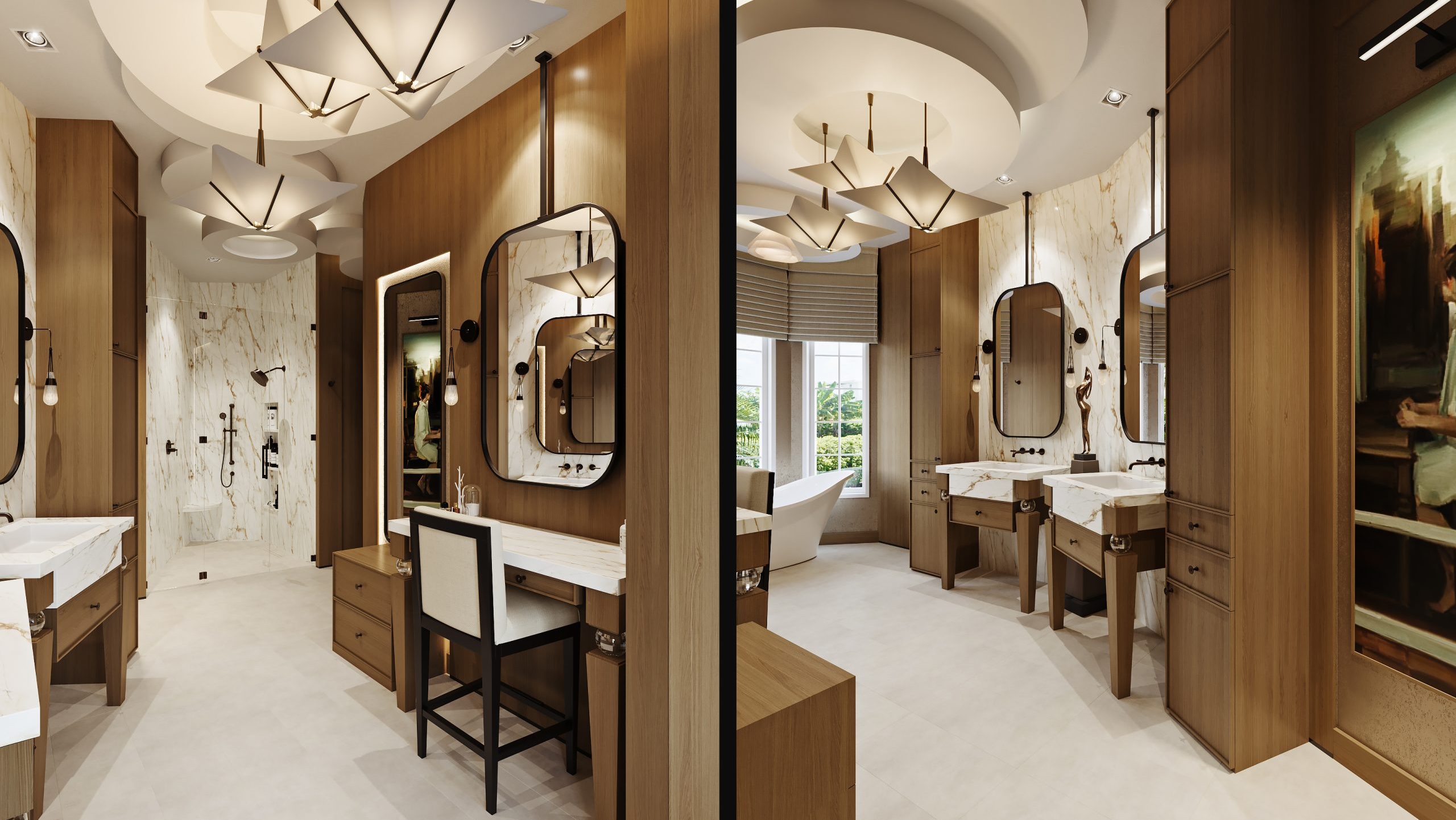
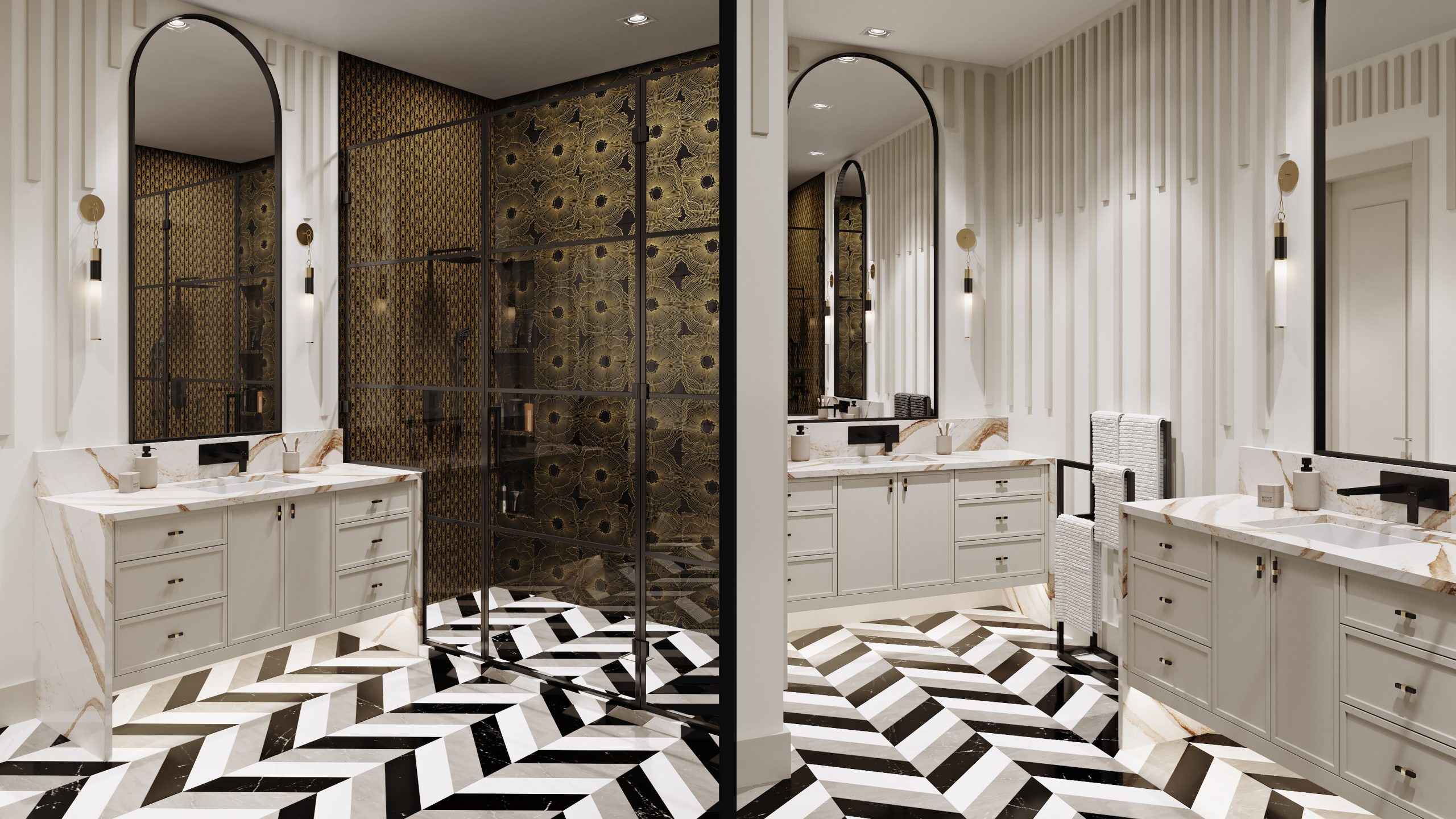
When a project specifies a particular appliance, furniture piece, lighting fixture, or sanitary fitting, we use that exact model in the render — not a substitute that only looks similar. Interior presentation is built on specific selections, and the closer the render stays to the actual design package, the easier it is for the client to trust what they’re seeing.
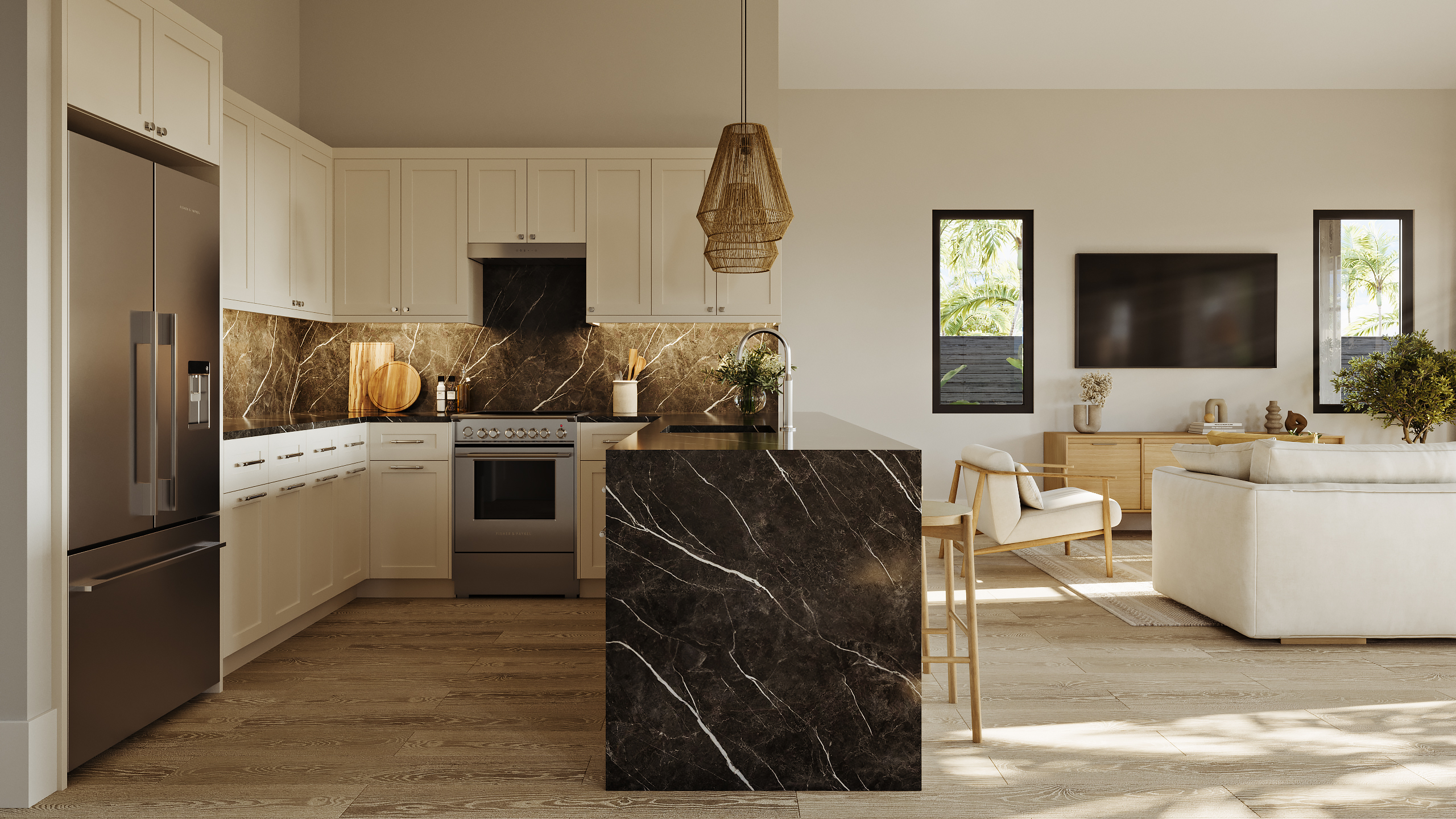
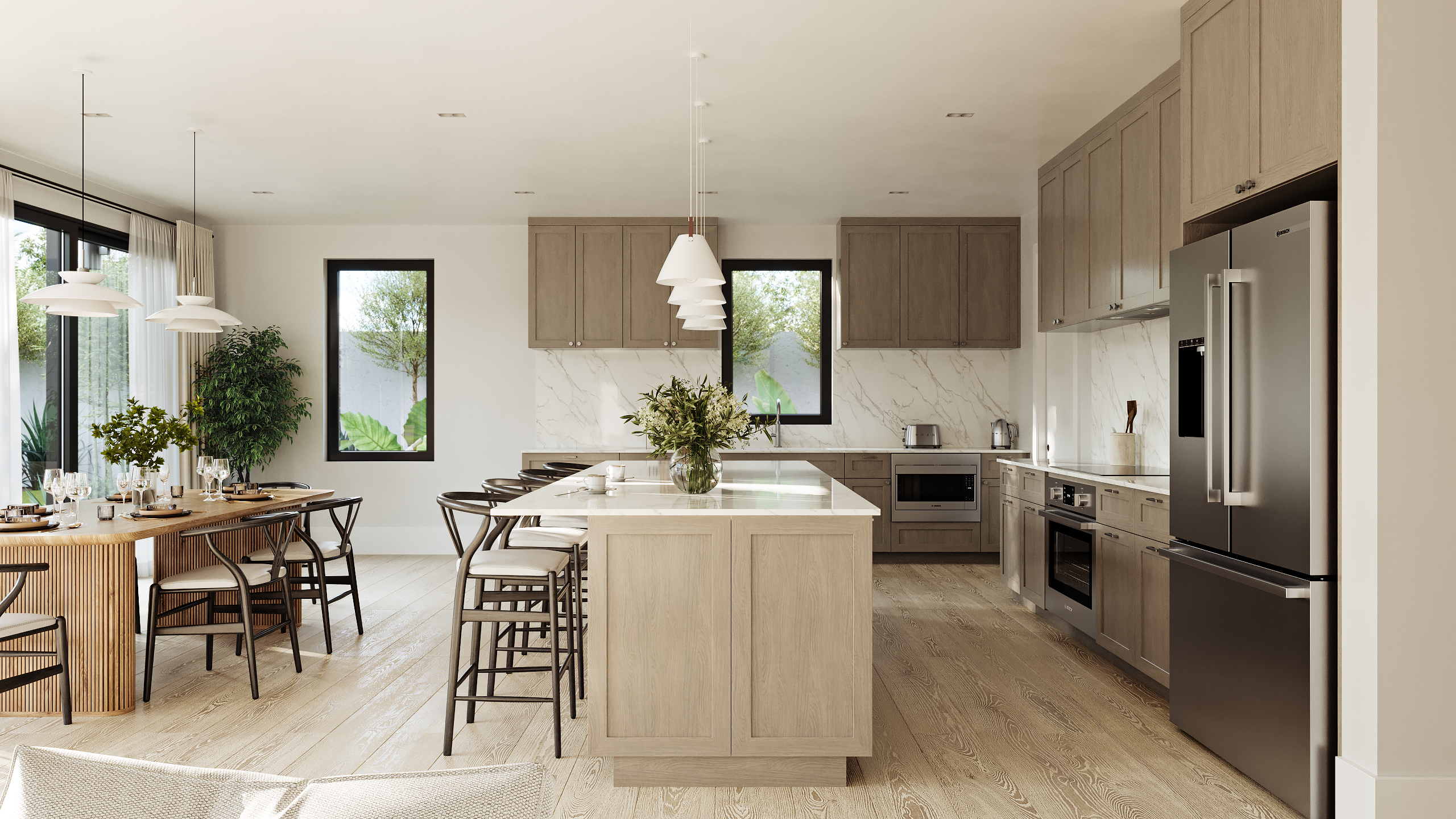
For projects that include a full apartment, house, or multi-room concept — a virtual tour lets the client move through the entire space, understand how rooms connect, and experience the design as a coherent whole. Especially valuable for larger presentations and remote approvals.
Need renders for an upcoming client presentation?
The moment after a client meeting is when momentum is highest — the reaction is fresh, the feedback is clear, and the next step is easiest to secure. When updated visuals take a week, that moment passes. Our workflow is structured to respond fast: straightforward revisions are typically delivered the same day or next day, depending on scope.
Interior presentations often succeed or fail right after the meeting — when the client’s reaction is fresh, feedback is clear, and the next step is easiest to secure. That’s why the workflow is built around keeping that momentum alive, not just delivering files.
Before production starts, we align on atmosphere, key views, and the parts of the design that need to read with precision. That means the first draft is already close — and revisions move fast rather than starting from scratch.
The result is a visual production process that stays responsive to your timeline and commercially useful until the design is approved.
Drawings, material specifications, product selections, and reference images are reviewed as the production base.
The project is assessed clearly from the start, so expectations, deliverables, and timing are aligned before work begins.
Atmosphere, lighting, surrounding context, and the parts of the design that need to read with precision are agreed early.
The presentation is built around the angles that carry the design best, before full production moves forward.
A draft set is shared for review, making it possible to refine the presentation while the process is still moving.
The approved set is delivered in a form ready for client presentation, internal review, or digital sharing.
If feedback comes in after the presentation, revisions are handled quickly to keep the conversation active and the client engaged.
The process stays clear, responsive, and commercially useful until the design is ready to move forward with confidence.
Brief focused on the design intent, key spaces, and client presentation context.
Camera selection as part of the sales logic — views chosen to carry the design.
Atmosphere and lighting aligned to the mood of the project before production starts.
Material accuracy as a production standard — specified products used wherever available.
Fast revision turnaround — same day or next day for straightforward updates.
Structured delivery — defined scope, clear revision process, no surprises.
Optional extensions: virtual tours, additional atmospheric variants, animation.
Key space renders, atmospheric variants, detail and material shots.
Precise geometry, exact product models.
360° interactive walkthroughs for full-space presentations.
Cinematic walkthroughs for launch and campaign content.
Complete visual set built around your client meeting.